
RECLAIMING THE PELVIC FLOOR
with Denise Foster Scott
Retreat 16 - 20 June 2027 Loural Ecovillage, Portugal

Discover a thoughtful and embodied approach to working with the pelvis and pelvic floor.
The pelvic floor is an essential part of our structure, movement and internal organisation, yet it is an area that is often overlooked in manual therapy — and one that can carry layers of uncertainty, vulnerability and cultural silence.
Its relationships extend far beyond the pelvis itself. Through fascia, muscular connections, the nervous system and breath, the pelvic floor participates in the organisation of the hips and spine, the relationship between the pelvic and respiratory diaphragms, and our experience of support, movement and embodiment.
Reclaiming the Pelvic Floor, taught by Denise Foster Scott, offers a sensitive and comprehensive approach to external pelvic floor manual therapy.
Over five days, we will explore the anatomy and physiology of the pelvis alongside fascial assessment and hands-on techniques, while giving equal importance to presence, communication, boundaries and the psychosocial dimensions of working with this intimate area of the body.
Rather than approaching the pelvic floor as an isolated structure to be “fixed”, this training invites us to understand it in relationship — to the rest of the body, to breath, to the nervous system, and to the person we are working with.
What is Reclaiming the Pelvic Floor?
Usually offered as a three-day training, Reclaiming the Pelvic Floor takes on a different rhythm in this retreat edition. Across five days, including arrival and departure, we will have more time not only to learn and practise, but also to integrate, exchange and allow the work to unfold at a more spacious pace. Denise is revisiting and expanding elements of the material for this particular format, creating room to explore certain themes in greater depth. Surrounded by nature and away from the rhythm of everyday life, the retreat offers something beyond an extended workshop: time for the learning to be experienced, embodied and integrated.
The course combines anatomy and physiology with fascial and osteo-fascial approaches to the pelvis, while exploring how neurobiology, trauma, communication and embodied awareness can inform the way we touch and work.
Participants learn ways of assessing and working with the pelvic floor and its surrounding structures through external manual techniques in sidelying, supine and prone positions.
The training also explores the relationship between the pelvic and respiratory diaphragms and includes work with the adductors, psoas and hip rotators, as well as osteo-fascial approaches to the innominate bones, sacrum and coccyx.
Central to the course is the understanding that working with the pelvic floor requires more than anatomical knowledge and technique. Clarity, consent, communication, boundaries and practitioner presence are fundamental parts of the work.
Who is this workshop for?
This workshop is designed for:
Structural Integration practitioners
Manual therapists
Massage therapists
Osteopaths and physiotherapists
Bodyworkers
Healthcare professionals interested in fascial work
Because of the sensitive nature of pelvic floor work, participants should be comfortable with hands-on practice, communication around touch and working respectfully with boundaries and consent.
What you will learn
During the three-day training, you will explore:
Anatomy and physiology of the pelvis and pelvic floor
Pelvic floor fascia and myofascial assessment
External pelvic floor manual therapy techniques
Assessment and treatment planning
Hypertonic and hypotonic patterns of the pelvic floor
Relationships between the pelvic and respiratory diaphragms
Fascial approaches to the adductors, psoas and hip rotators
Osteo-fascial work with the innominate bones, sacrum and coccyx
Neurobiology, trauma and psychosocial influences on tissue and embodiment
Relevant pelvic floor pathologies across genders
Boundaries, consent and communication
Practitioner presence and self-awareness
Self-care and somatic embodiment
Supervised hands-on practice
Instructors
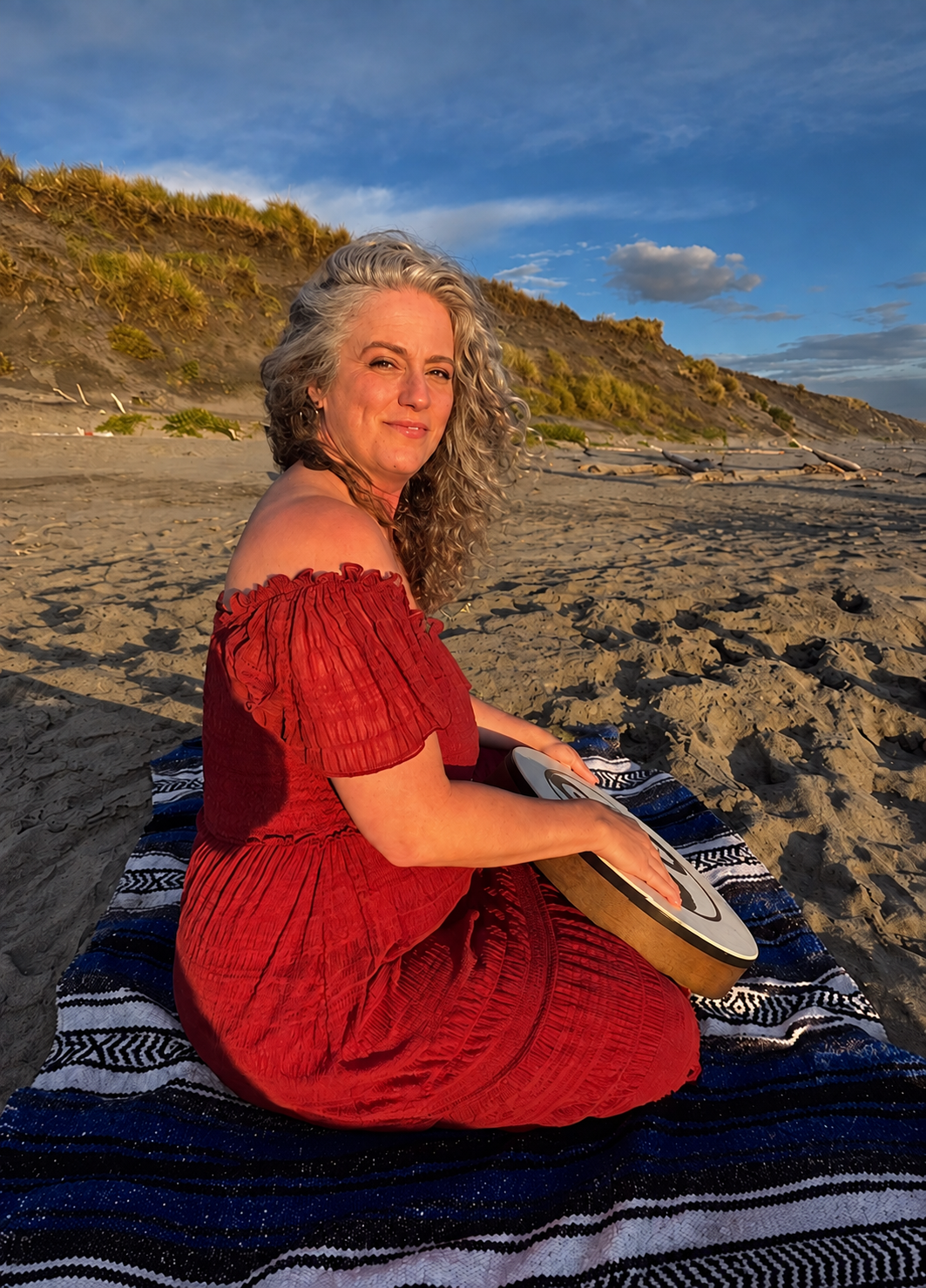
Lead Instructor
Denise Foster Scott is a Board Certified Structural Integrator and Licensed Massage Therapist with a rich background in trauma-informed care, group processing, and Neurovascular Release training. Since beginning her Structural Integration studies in 2007, she has become a prominent educator in the fields of Structural Integration and manual therapy.
As a recognized Continuing Education Provider by both the International Association of Structural Integrators (IASI) and the National Certification Board for Therapeutic Massage & Bodywork (NCBTMB), Denise is dedicated to advancing professional education in her field.
A published author, Denise continues to contribute to the field through her writing and teaching, inspiring practitioners to approach their work with innovation and compassion.
Denise has been a dedicated volunteer for over 13 years at IASI, where she presently serves as the Chair of the Education Committee.
You can read more about Denise here: https://www.somavitality.com/
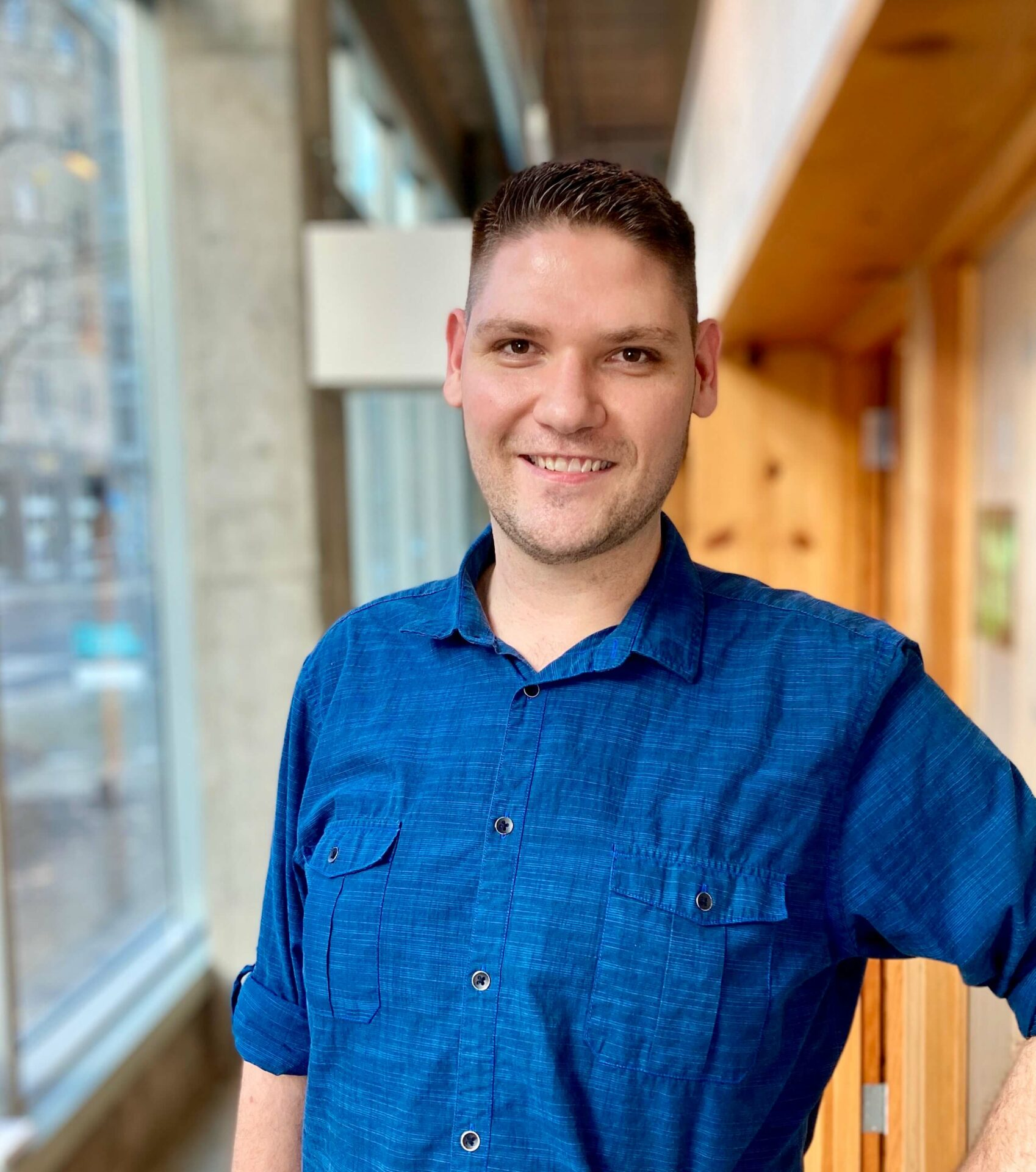
Assistant
Jay Williams is a Structural Integration practitioner and the Executive Director of the Inner Dynamics - Alliance for Structural Integration (Ida-SI). Through Ida-SI, Jay is collaborating with Fascia Integration on this project and will join the retreat as an assistant, supporting Denise throughout the Reclaiming the Pelvic Floor retreat.
Workshop Details
Dates: 16 - 20 June 2027
Location: Loural Ecovillage, Portugal
Language: English
Places available: Limited to ensure individual supervision and models to work with.
Tuition & Accommodation
The tuition fee for the Reclaiming the Pelvic Floor workshop will vary depending on the accommodation option selected. Different room categories will be available, allowing participants to choose the option that best suits them. Full pricing, accommodation options and booking details will be published soon.